Hair bonding coming loose is a common worry for people who wear a bonded hair system. At first, the bond feels firm. A few weeks later, an edge lifts or the hairline starts to feel loose.
Because you wear your hair system every day, even a small gap can feel stressful. However, most bonding problems have a clear cause. Once you know the cause, you can usually fix it or prevent it.
This guide explains seven common causes and what to do next. It also shows how to protect the bond and when to visit a specialist.
What Does Hair Bonding Coming Loose Actually Mean?
Hair bonding attaches a hair system to the scalp with a skin-safe adhesive. The adhesive holds the base against the skin and keeps the hairline flat. Over time, the bond weakens naturally. Sweat, oil and new hair growth all play a part.
So, hair bonding coming loose usually shows up in small ways first. You might notice:
- Lifting edges around the hairline or temples
- A small gap between the base and the scalp
- Itching or a pulling feeling near the bond
- A hair system that shifts when you move
- Sticky residue around the edges
A little edge lifting can be normal as a service date gets closer. However, sudden or widespread loosening points to a specific cause. Check the causes below to find yours.
If you want the basics first, read our complete guide to hair bonding.
7 Causes of Hair Bonding Coming Loose
The seven causes below are the most common reasons for hair bonding coming loose. Also, several of them can happen together, so read all seven before you decide on a fix.
Cause 1: Excess Scalp Oil and Sweat
Natural scalp oil is the most common enemy of a strong bond. Oil forms a thin layer between the skin and the adhesive. As a result, the adhesive cannot grip properly.
Sweat does the same thing. For example, a hot commute or a long workout can soften the bond. People with an oily scalp often notice loosening sooner than others.
Cause 2: Poor Scalp Preparation
A bond is only as strong as the surface under it. If the scalp is not fully clean and dry before application, the adhesive cannot hold. Residue from old adhesive also weakens the new bond.
Therefore, proper cleaning before every application matters. Specialists usually clean the area carefully for this reason.
Cause 3: The Wrong Adhesive for Your Skin
Not every adhesive suits every scalp. Some are stronger, while others are gentler. In addition, skin type, climate and lifestyle all affect how well an adhesive performs.
If the adhesive does not suit your skin, it may lift early. It may also irritate the skin. Redness, itching or burning can signal a reaction, so see a doctor if that happens. You can learn more about this kind of allergic skin reaction from MedlinePlus.
Cause 4: A Poor Fit or Application
Even a good adhesive fails when the base does not sit flat. A base that is too tight pulls on the bond. A base that is too loose leaves gaps. Uneven pressure during application can also create weak spots.
For this reason, a well-measured and carefully applied system lasts longer. Skilled application makes a clear difference.
Learn more about professional hair fixing services.
Cause 5: Hair Products on the Bond
Conditioners, oils and styling products can creep into the bond area. Many of them break down adhesive. For instance, oil-based serums can weaken the edges within days.
So, keep products away from the bond line. Apply conditioner to the lengths only, and rinse well.
Cause 6: Heat, Humidity and Rough Handling
Heat and humidity soften adhesive. Swimming and steam rooms can do the same. Meanwhile, rough handling puts stress on the edges. Tight combing, scratching and pulling off a cap can all lift the bond.
Sleeping habits matter too. Friction from a rough pillowcase can loosen the hairline edge over time.
Cause 7: Overdue Maintenance and Hair Growth
Your natural hair keeps growing under and around the base. As it grows, it pushes the bond away from the skin. Dead skin cells and oil also build up over time.
Because of this, every bonded system needs regular servicing. Many specialists suggest a visit every few weeks, but the right gap depends on your scalp, lifestyle and system. Skipping servicing is one of the most common reasons for hair bonding coming loose.
What to Do When You Notice Hair Bonding Coming Loose
Act early. Small lifting is easier to fix than a fully loose system. Follow these steps:
- Stay calm and do not pull. Tugging at a lifted edge can tear more of the bond and irritate your skin.
- Keep the area clean and dry. Gently blot away sweat. Avoid rubbing.
- Do not use household glue. Regular glues are not safe for skin. They can also damage the base.
- Avoid oils and heavy products. Keep them away from the bond line until a specialist checks it.
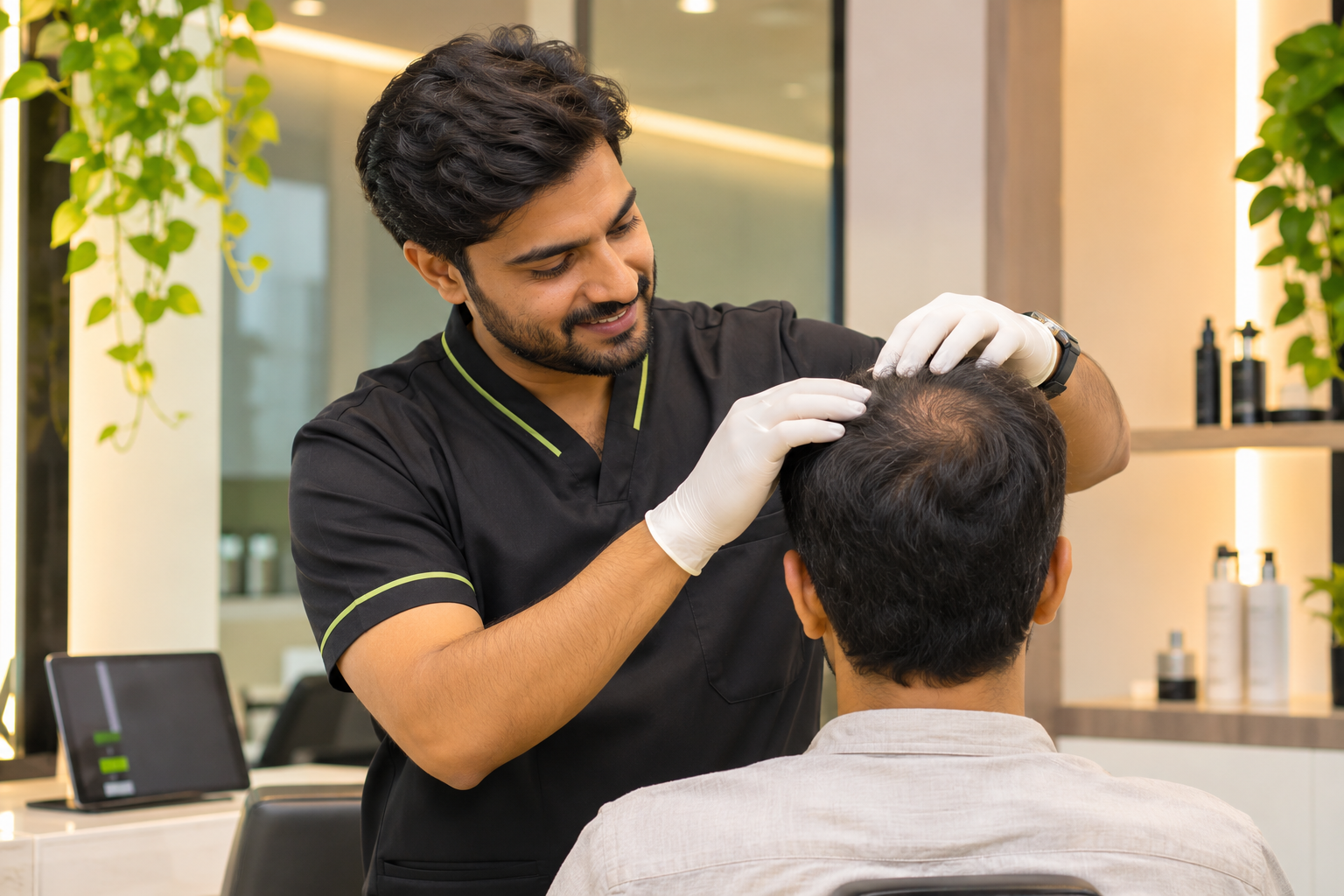
- Book a professional visit. A specialist can find the cause, clean the area and re-bond it safely.
Also, note what changed recently. For example, a new shampoo, a hot week or a missed service could explain the problem. This helps your specialist solve it faster.
If you see redness, swelling or pain, see a doctor first. Likewise, if your hair loss is sudden or patchy, ask a dermatologist. The American Academy of Dermatology recommends finding the cause of hair loss before choosing a treatment.
How to Prevent Hair Bonding Coming Loose in the Future
Prevention is simpler than repair. These habits help the bond last longer:
- Wash gently. Use a mild shampoo and avoid scrubbing the bond line.
- Dry well. Pat the area dry after washing.
- Skip heavy products. Apply conditioner only to the lengths.
- Protect it from heat. Avoid long steam sessions and direct heat.
- Handle with care. Comb gently and remove caps slowly.
- Keep your servicing dates. Regular care stops small lifts from growing.
In addition, choose a specialist who explains the adhesive, the fit and the aftercare. Therefore, you know what to expect. If bonding does not suit your lifestyle, you can also explore non-invasive hair replacement or our hair patch services.
When Should You See a Specialist?
Book a visit if:
- The edges keep lifting after a few days.
- The hairline feels loose or shifts.
- You notice a gap between the base and the scalp.
- Itching, redness or irritation continues.
- You have missed your servicing date.
Because every scalp is different, a specialist can check your bond in person. They can also advise on hair growth and adhesive choice. The right answer for hair bonding coming loose depends on the cause, so expert advice is worth it.
If your hair loss is still progressing, our guide to the stages of hair loss can help you plan your next step.
You can also explore hair weaving services if you want to understand other non-surgical options.
Frequently Asked Questions About Hair Bonding Coming Loose
1. Why is my hair bonding coming loose after only a week?
Early loosening usually points to oil, sweat or poor scalp preparation. A mismatch in adhesive or fit can also cause it. A specialist can check which one applies.
2. Can I fix hair bonding coming loose at home?
It is best not to. Home fixes, such as household glue, can harm your skin and damage the base. Instead, keep the area clean and book a professional visit.
3. How long should hair bonding last before coming loose?
There is no single number. Bond life depends on scalp oil, activity, climate and care. Most systems need regular servicing, so ask your specialist about a schedule.
4. Does sweating loosen the bond?
Yes, it can. Heavy sweat softens adhesive. However, gentle blotting and regular cleaning help the bond last.
5. Is hair bonding coming loose a sign of a bad hair system?
Not always. Often, the cause is oil, care or timing rather than the system itself. However, a poor fit or a low-quality base can also play a part.
Final Thoughts on Hair Bonding Coming Loose
Hair bonding coming loose feels stressful, but it is usually fixable. Most causes come down to oil, preparation, products or maintenance.
So, act early, avoid home fixes and keep up with regular servicing. With the right care, your bond can stay secure and comfortable.
Looking for hair bonding in Hyderabad?
Needs Hair Studio offers personalised consultations to check your bond, find the cause and plan the right fix.
Learn more about Why Choose Needs Hair Studio and explore our services.
Visit Needs Hair Studio to learn more or schedule a consultation.