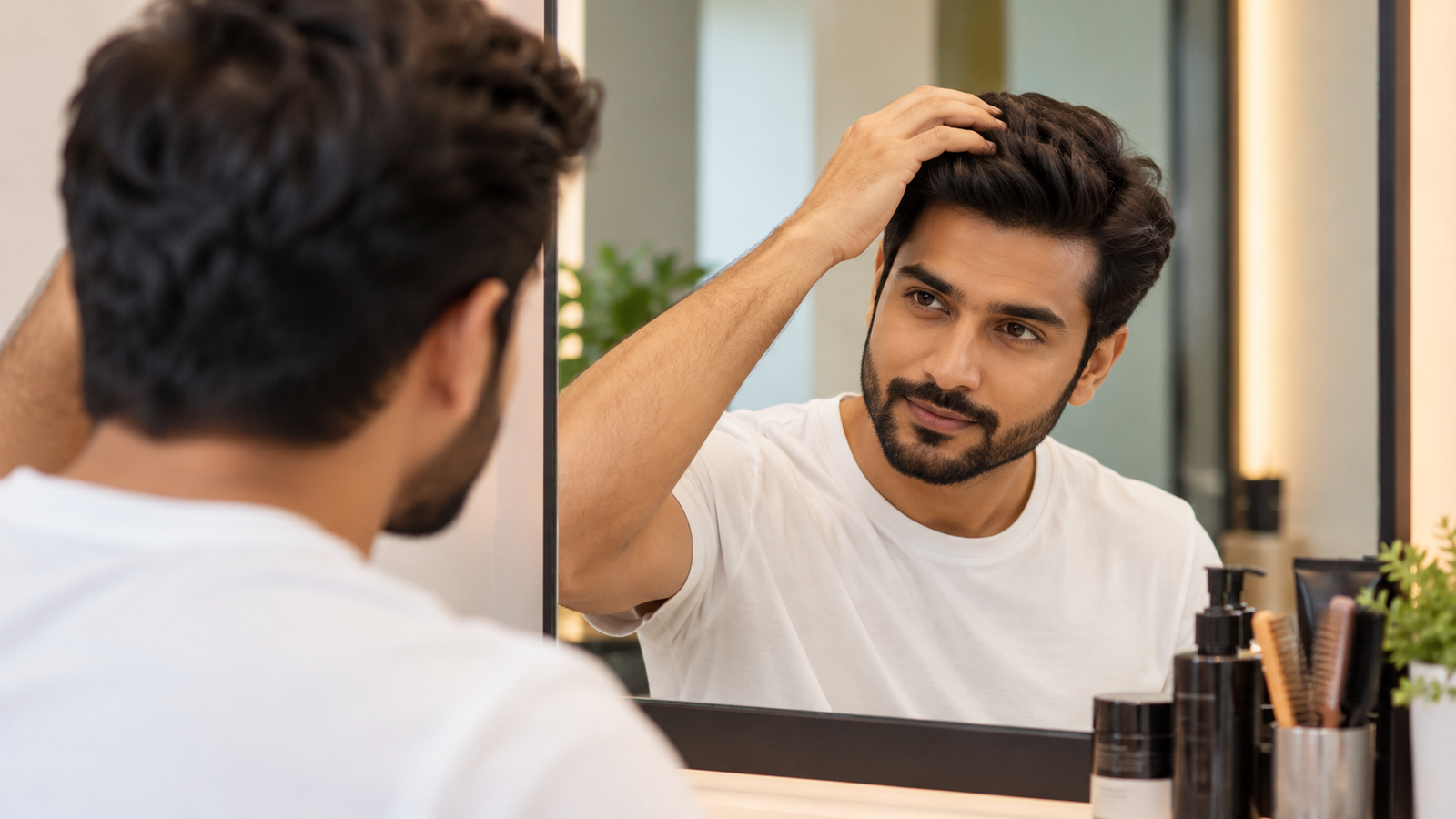
Living with a hair patch involves more than changing your appearance. Living with a hair patch can also influence how you wash, style, travel, exercise and sleep. Understanding these everyday adjustments can help you feel more comfortable and confident before choosing a hair replacement solution.
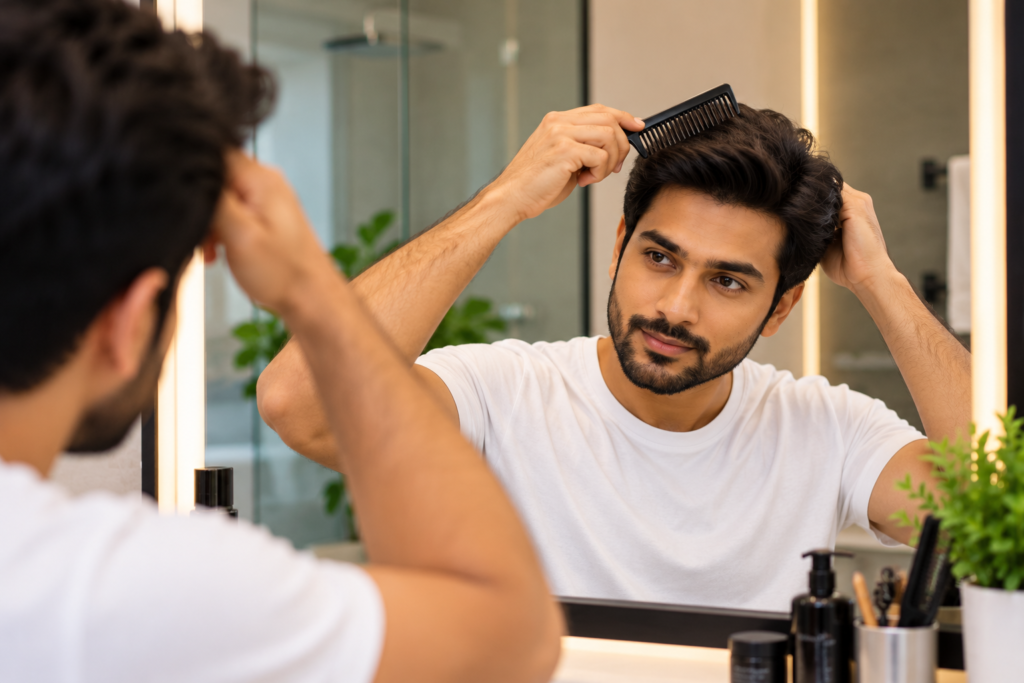
Most people considering a hair patch have two important questions: Will it stay securely in place? And will it look natural? While both concerns matter, daily maintenance and choosing the right attachment method are equally important.
At Needs Hair Studio, we understand that finding the right non-surgical hair replacement solution means considering your lifestyle, personal preferences and maintenance requirements.
In this guide, we explain what living with a hair patch can look like throughout the day, including morning grooming, office routines, commuting, exercise and evening care.
If you are exploring your options, visit our Needs Hair Studio website to learn more about hair replacement services.
What to Expect During Your First Few Days
The first few days with a hair patch can involve a short adjustment period. You may become more aware of the base on your scalp or notice the hairline when touching your head. This awareness often decreases as you become familiar with wearing the hairpiece.
Your comfort depends on the base material, fitting, attachment method and individual scalp sensitivity.
During the first week, keep your routine simple:
-
Avoid pulling or scratching around the hairline.
-
Follow the recommended washing schedule.
-
Use suitable hair care products.
-
Keep your scalp clean according to your specialist’s instructions.
-
Attend to any attachment problems promptly.
Mild awareness of the hairpiece can occur initially, but persistent pain, burning, swelling or significant redness should not be ignored. Contact your specialist and seek medical advice when appropriate.
For more information, explore our hair patch care guide.
Your Morning Grooming Routine
A simple morning routine can help you maintain a natural-looking hairstyle without spending too much time on maintenance.
Start by checking your hairline in good lighting. Look for visible lifting, uneven sections or tangles that need attention. If an edge appears loose, avoid attempting an unsuitable repair yourself.
Use a soft brush or wide-toothed comb, following the recommended direction for your hairpiece. Work gently through tangles rather than pulling from the roots.
If you use styling products, select products compatible with your hair system and avoid applying them near the attachment area unless your specialist advises otherwise.
You can also keep a small comb and mirror in your bag for quick grooming checks throughout the day.
The goal is to make hair care a comfortable part of your normal routine.
Styling Your Hair and Maintaining a Natural Appearance

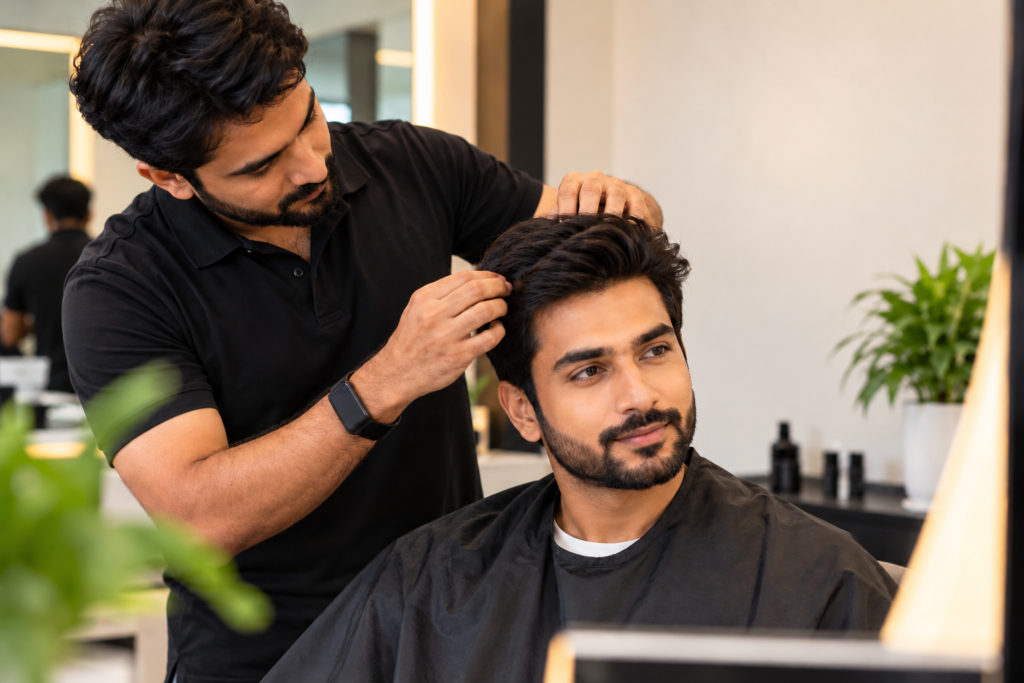
A suitable hairstyle can help your hairpiece blend naturally with your existing hair.
Choose a barber or stylist who has experience working with hair systems. They can help match the length, direction and texture of the hairpiece with your natural hair.
Keep these grooming tips in mind:
-
Haircuts: Ask your stylist to blend the sides and back with the hairpiece.
-
Combing: Use gentle strokes to minimise tangling and unnecessary tension.
-
Styling products: Avoid incompatible oils and heavy products around the attachment area.
-
Hairline checks: Examine your hairstyle in natural daylight.
-
Regular trimming: Maintain the surrounding hair to create a consistent appearance.
For additional ideas, explore our hair patch styling tips.
Wearing a Hair Patch at Work
Office environments are generally compatible with a hair patch because most desk-based activities involve limited physical exertion.
However, air conditioning, dry indoor air and long working hours can influence scalp comfort. If your scalp feels itchy, avoid scratching or pulling at the hairline.
During video calls, bright lighting and camera angles may make small differences in hair colour or styling more noticeable. Checking your appearance in natural light before an important meeting can help you feel prepared.
You do not need to change your professional appearance simply because you wear a hairpiece. A suitable fitting, appropriate styling and regular maintenance can help you maintain your preferred look.
Commuting, Helmets and Outdoor Travel
Commuting deserves special consideration, particularly if you regularly ride a two-wheeler in Hyderabad or Warangal.
Helmets can create pressure, friction and heat around the hairline. Ask your hair replacement specialist how your specific attachment method should be managed when wearing a helmet regularly.
Follow the helmet manufacturer’s instructions when putting it on or removing it, and avoid unnecessary friction against the hairline.
Strong winds do not automatically dislodge a properly fitted hairpiece. However, an already loose edge may become more noticeable in windy conditions.
If you notice lifting, have it assessed rather than repeatedly pressing or pulling at the attachment.
Important: Never compromise helmet fit or road safety to protect your hairpiece.
Exercise, Sweat and Swimming
You can often continue your usual fitness activities while wearing a hair patch, but your care routine may need to account for sweat and water exposure.
During workouts, avoid repeatedly rubbing your forehead or pulling at the hairline. After exercise, follow your specialist’s recommendations for cleaning and drying your scalp.
Swimming requires additional care because chlorine and salt water can affect hair fibres and some attachment systems.
Before swimming, ask your specialist whether your hairpiece and bonding method are suitable for water exposure. Follow the recommended rinsing and drying routine afterwards.
Saunas, steam rooms and intense heat may affect some adhesives, particularly shortly after fitting. Follow the specific aftercare instructions for your attachment method.
Learn more about the available hair patch bonding methods before choosing a solution that fits your lifestyle.
Managing Heat, Humidity and Rain
Weather conditions can influence how comfortable your hairpiece feels and how much maintenance it requires.
Hot weather: Perspiration may affect certain bonding methods. If you spend long hours outdoors, discuss your activity level and local climate with your specialist.
Humid conditions: Humidity can make some hair fibres frizzy or difficult to manage. A compatible anti-frizz product may help.
Rain: Rain does not automatically dislodge a properly attached hairpiece, but the effect depends on the attachment method and its condition.
Sun exposure: Prolonged exposure may gradually affect hair colour and fibre quality. Consider suitable head protection when practical.
For people living in Hyderabad and Warangal, accounting for hot weather, perspiration and seasonal humidity can help make daily maintenance more manageable.
Everyday Hair Care at Home
Your surroundings can influence your hair patch maintenance routine more than you might expect.
When showering, follow the washing instructions for your specific hairpiece. Use the recommended water temperature and avoid forceful rubbing around the attachment area.
While cooking, prolonged exposure to steam and excessive heat may affect some bonding systems. Maintain a sensible distance from hot cooking surfaces and use appropriate ventilation.
Dust and pollution can also accumulate on your hair throughout the day. After spending time outdoors, follow your recommended cleaning routine rather than washing excessively.
Normal household activities generally do not need to change. However, avoid repeatedly pulling at the hairline, especially during playful interactions with children or pets.
A consistent routine can help you manage your hairpiece without making everyday life unnecessarily complicated.
Sleeping Comfortably With a Hair Patch
Many first-time users worry about whether their hairpiece will remain secure while sleeping.
A bonded hair patch is generally designed to remain attached between maintenance appointments, so routine removal before bed is not usually necessary unless your specialist recommends it.
These habits can help protect the hair fibres:
-
Gently detangle your hair before bed.
-
Avoid sleeping with wet hair.
-
Use a smooth pillowcase to reduce friction.
-
Avoid repeatedly rubbing or pulling the hairline.
-
Follow the recommended overnight care routine.
If you experience persistent itching, discomfort or repeated lifting during sleep, discuss the problem with your hair replacement specialist.
Social Events, Weddings and Travel
Your hair replacement routine should fit into your social life rather than dictate it.
Whether you are attending a wedding, meeting friends, travelling for work or celebrating a special occasion, planning ahead can make maintenance easier.
Before an important event, consider scheduling a maintenance appointment if your hairpiece is approaching its recommended refitting date.
When travelling, carry a small grooming kit with a suitable comb and travel-size hair care products recommended for your system.
If you expect to swim, spend extended periods outdoors or travel in particularly hot conditions, ask your specialist about the precautions you should take.
Choosing a hairstyle that suits your lifestyle can also reduce the amount of daily styling required.
Explore custom hair systems at Needs Hair Studio to learn more about personalised hair replacement options.
A Simple Weekly Maintenance Routine
A consistent routine makes living with a hair patch easier over time. Following the right cleaning schedule, using suitable hair care products and attending regular maintenance appointments can help keep your hairpiece comfortable and natural-looking.Regular maintenance can help preserve the appearance, comfort and condition of your hairpiece.
Your schedule should reflect the base material, attachment method, scalp condition and recommendations from your specialist.
Gentle cleaning: Wash your hairpiece according to the recommended schedule using suitable products.
Careful conditioning: Apply conditioner as directed, usually focusing on the hair fibres rather than the attachment area.
Regular detangling: Use an appropriate brush or comb to minimise pulling and breakage.
Complete drying: Follow the recommended drying instructions before sleeping.
Professional maintenance: Attend refitting and servicing appointments at the intervals advised for your hair system.
Some hair systems require maintenance every few weeks, while others follow different schedules. The lifespan of a hairpiece also varies according to its construction, frequency of use and maintenance.
Before your first fitting, discuss adhesive sensitivity and suitable skin testing with your specialist.
If you experience sudden or unexplained hair loss, consult a doctor or dermatologist to investigate the underlying cause. The NHS guide to hair loss explains common causes and when to seek medical advice.
Common Hair Patch Care Mistakes to Avoid
Small mistakes can affect comfort, appearance and maintenance.
1. Pulling at the hairline
Repeatedly touching or pulling a lifted edge can worsen the problem. Have the attachment checked when necessary.
2. Delaying maintenance
Waiting too long between professional appointments may allow minor attachment problems to become more noticeable.
3. Using unsuitable products
Heavy oils, solvents and incompatible styling products may affect certain bonding systems. Always check product compatibility.
4. Rubbing the hair aggressively
Forceful towel drying and vigorous brushing can contribute to tangling and fibre damage.
5. Ignoring scalp irritation
Persistent itching, redness, burning or discomfort should not be treated as a normal part of wearing a hairpiece.
6. Attempting unsuitable repairs at home
Using unapproved adhesives or attempting to remove a bonded hairpiece without proper guidance may damage the system or irritate your scalp.
A consistent routine, suitable products and timely professional maintenance can help prevent many avoidable problems.
Is a Hair Patch Suitable for Your Lifestyle?
For anyone considering living with a hair patch, understanding daily maintenance is an important first step. Your work environment, exercise habits, local weather and grooming preferences can all influence which hair system is most suitable for you.
Living with a hair patch can be a practical option for people seeking a non-surgical hair replacement solution. However, the right choice depends on your expectations, scalp sensitivity, daily activities and willingness to maintain the hairpiece.
Before making a decision, consider your work environment, commuting habits, exercise routine, exposure to heat and humidity, preferred hairstyle and maintenance budget.
It is also worth discussing the expected maintenance schedule and ongoing costs before choosing a system.
At Needs Hair Studio, we encourage people to understand their options before selecting a hair replacement solution. A consultation can help you discuss your lifestyle, preferred appearance, maintenance expectations and suitable hair system options.
If you are considering a hair patch in Hyderabad or Warangal, visit Needs Hair Studio to learn more about our services and arrange a consultation.
The best hair replacement solution is one that suits your individual needs, appearance goals and daily routine.